May 21, 2026
The enduring fascination with baseball cards represents a unique intersection of sports history, artistic evolution, and the human desire to hold onto tangible pieces of the past. Since their inception, these small rectangles of cardboard have served as much more than mere marketing tools or children's toys. They are cultural artifacts that encapsulate the spirit of American baseball, charting the rise of legends and the evolution of the sport itself. For many enthusiasts, the act of collecting is a lifelong journey that begins with a single pack and grows into a deep appreciation for the statistics, the imagery, and the historical context provided by each release.
The narrative of baseball cards is a story of adaptation and survival, moving from the pockets of tobacco pouches to the shelves of modern hobby shops. Their longevity is rooted in their ability to evoke memories and create a bridge between the legends of the nineteenth century and the stars of the modern era. As a medium, they have consistently found ways to remain relevant by embracing new printing technologies and aesthetic trends while maintaining the core appeal of the player portrait.
Understanding Historical Roots
The journey of the baseball card began as a practical solution to a marketing challenge, where stiffening cards were used to protect paper cigarette packs from being crushed. These early versions featured portraits of players, transforming a simple packaging insert into a coveted souvenir for sports fans. As the game of baseball solidified its position as the national pastime, these cards became essential tools for fans to learn about their favorite athletes in an era before television or the internet. The transition from tobacco to confectionery items like gum further cemented their appeal among younger audiences, laying the groundwork for cards as a mainstream collectible. According to Kings Research, the baseball trading card is one of the most popular sports trading cards, marking its place in history as both a marketing marvel and a cherished collectible.
This historical trajectory shows how baseball cards evolved from ephemeral advertisements into permanent records of athletic achievement. Each era of production reflects the societal values and technological capabilities of its time, from the lithographs of the late 1800s to the high-gloss finishes of the modern day. For the historian and the hobbyist alike, a vintage card is a window into a specific moment in time, capturing the uniforms, the equipment, and even the advertising trends of the past. The persistence of these items through decades of cultural shifts highlights their status as more than just paper.
Capturing Legendary Moments
One of the most compelling aspects of collecting involves the way a single card can immortalize a specific moment or a player's entire legacy. Whether it is a rookie card of a future Hall of Famer or a special edition highlighting a record-breaking home run, these items act as physical bookmarks in the history of the sport. A collector holding a card from a significant year feels a direct link to the excitement of that season, recalling the box scores and the radio broadcasts that defined their experience of the game.
Beyond the individual players, baseball cards document the milestones that have shaped the sport's narrative. Sets often include sub-series dedicated to league leaders, All-Star appearances, and World Series highlights, providing a comprehensive overview of baseball history. The ability to own a piece of a legendary career makes baseball cards a powerful medium for preserving the heritage of the sport.
Evaluating Market Worth
The economic dimension of the hobby has grown significantly over the years, transforming what was once a simple pastime into a sophisticated market for alternative assets. The value of baseball cards is determined by a complex interplay of rarity, condition, and the historical importance of the player depicted. High-profile sales at major auction houses often make headlines, showcasing the staggering sums that collectors are willing to pay for the most elusive pieces of cardboard.
Understanding the fluctuations in the market requires a keen eye for detail and an awareness of the trends that drive demand. Factors such as a player's performance on the field, their induction into the Hall of Fame, or the discovery of a rare printing error can all cause a card's value to skyrocket. Professional grading services have introduced a level of standardization that allows buyers to purchase with confidence, knowing that the condition of a card has been objectively assessed. The market for baseball cards serves as a testament to the enduring cultural power of the sport they represent.
Cultivating Social Connections
Collecting is rarely a solitary endeavor, as it naturally encourages interaction and the building of communities among like-minded individuals. Whether through local card shows, online forums, or trading sessions at the ballpark, the hobby provides a common language for fans of all ages. These social spaces allow collectors to share their knowledge, debate the merits of different sets, and help one another find the final pieces needed for their collections.
The digital age has expanded these communities further, allowing collectors from different parts of the world to connect and trade with ease. Online marketplaces and social media groups have made it possible to find rare items that were once nearly impossible to locate. Despite the convenience of digital platforms, the traditional card show remains a staple of the hobby, offering the tactile experience of browsing through rows of binders and boxes.
Appreciating Artistic Design
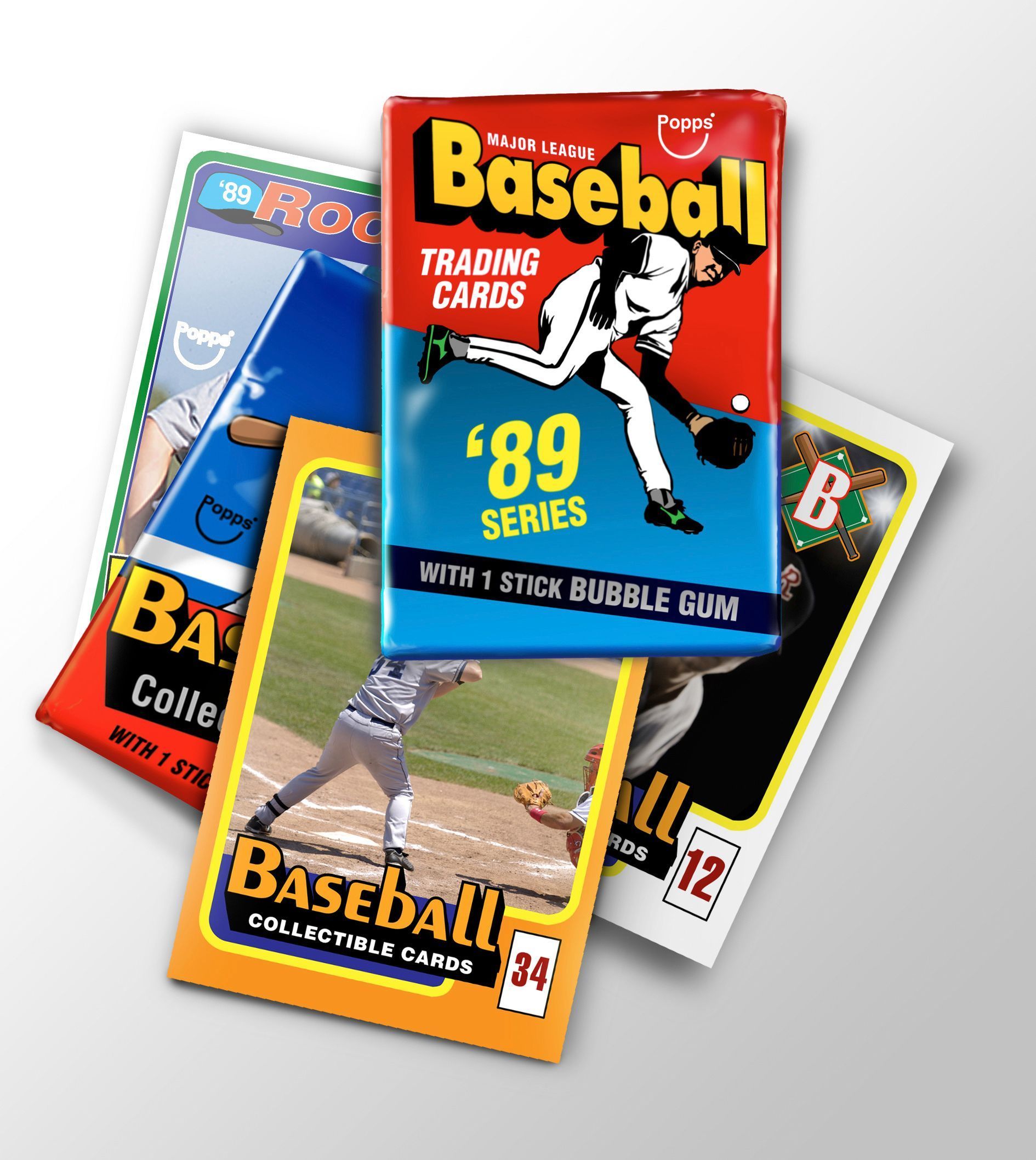
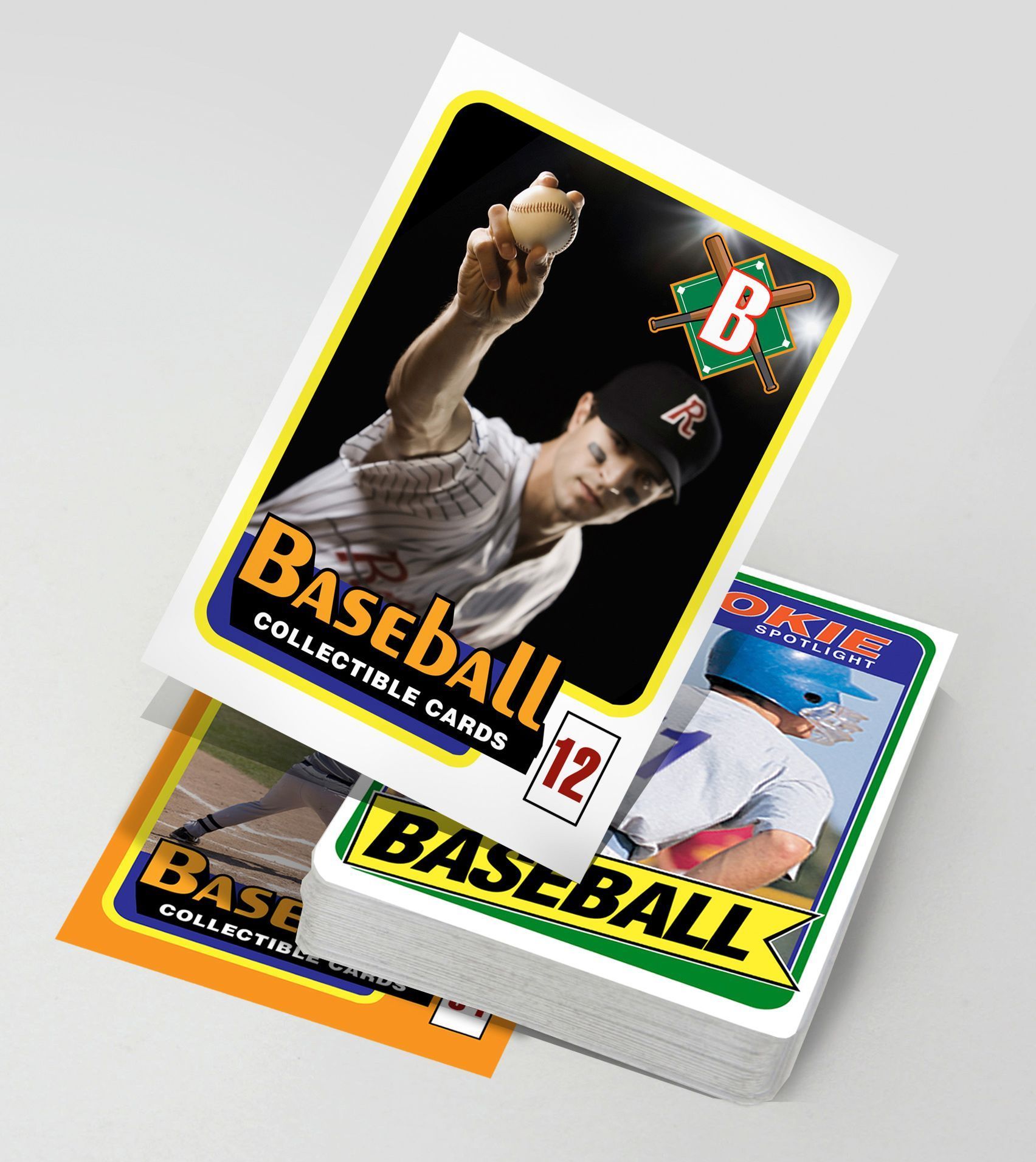
The aesthetic appeal of baseball cards is a significant factor in their enduring popularity, as each era of production brings its own unique design philosophy. From the elegant, hand-painted look of early sets to the bold, colorful graphics of the 1980s and 90s, the visual style of cards has always been a reflection of contemporary art and design. Collectors often find themselves drawn to specific sets not just for the players they contain, but for the beauty of the cards themselves. The use of innovative printing techniques, such as foil stamping, embossing, and holographic elements, has pushed the boundaries of what can be achieved on a small piece of cardboard.
Graphic designers and photographers play a crucial role in creating the look and feel of each set, carefully selecting images that capture the personality and athleticism of the players. The layout of a card must balance a variety of elements, including the player's name, team logo, and statistics, while still leaving room for a compelling photograph. When these elements come together perfectly, the result is a piece of art that resonates with fans on an emotional level.
Preserving Sporting Legacies
As we look toward the future, it is clear that the passion for collecting will continue to thrive, driven by a new generation of fans who find meaning in these physical artifacts. The hobby has proven its resilience time and again, successfully navigating economic changes and the rise of digital entertainment by staying true to its roots. Each new season brings a fresh batch of cards and new opportunities for fans to connect with the sport they love. The act of opening a pack and discovering a favorite player remains one of the great simple joys for sports enthusiasts, offering a moment of anticipation and excitement that never fades.
For those looking to deepen their engagement with the game and its history, there is no better way than to start or expand a collection of
baseball cards
. These items offer a unique perspective on the evolution of the sport, providing a wealth of information and a lifetime of enjoyment. To explore the finest selections and begin your own journey into the world of sports memorabilia, contact Catch 'Em All Cards Collectibles & More LLC today and see how we can help you build a collection that stands the test of time.