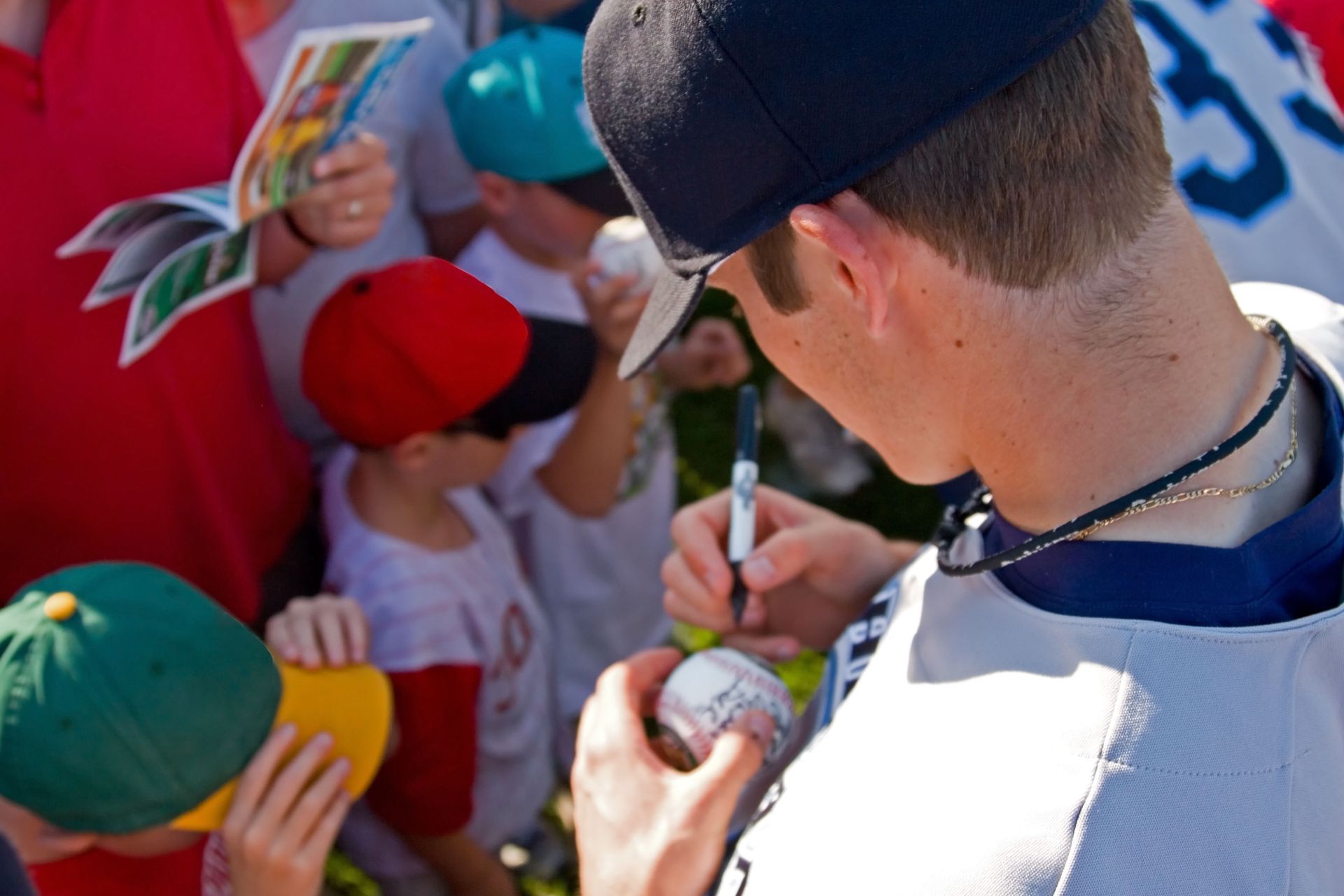
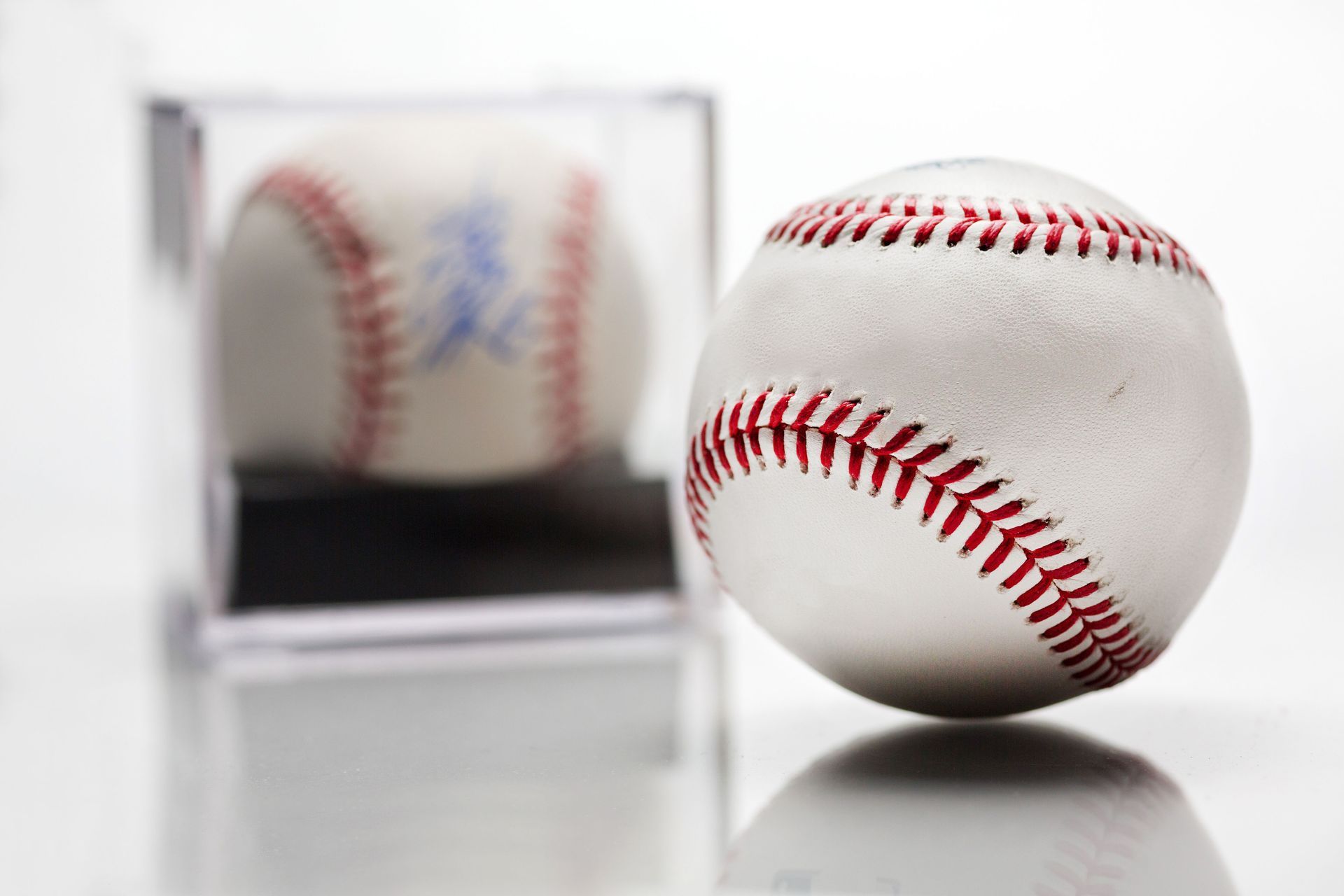
Learn how to verify provenance, spot forgery red flags, and check Certificates of Authenticity so you can confidently invest in a genuine baseball autograph.

Are you interested in learning about a rookie sports card? Read this blog to learn what makes a LeBron James rookie card a cultural icon.

What started as a children's trading card game has evolved into a worldwide collecting phenomenon. Today, rare trading cards attract enthusiasts, celebrities, and collectors willing to spend extraordinary amounts on unique pieces. The popularity of Pokemon cards reflects decades of nostalgia, competitive gameplay, and appreciation for distinctive artwork. At Catch 'Em All Cards Collectibles & More LLC, we understand the excitement of discovering a rare card or completing a collection. Whether you're beginning your collecting journey or expanding an established collection, understanding these collectibles can make the experience more rewarding. The Origins and Rise of Pokémon Trading Cards How Pokémon Became a Global Phenomenon The Pokémon franchise began in Japan during the 1990s, originating from the creative vision of Satoshi Tajiri. Its success as a video game franchise established a foundation for merchandise, television programming, and trading cards. The Pokémon Trading Card Game launched in Japan in 1996, introducing fans to a new way of interacting with their favorite characters. Players could build decks, challenge friends, and collect illustrated cards. As the franchise expanded internationally, demand increased. Characters such as Pikachu, Charizard, and Blastoise became recognizable, helping establish a collecting culture that continues today. How Early Trading Cards Became Collectibles Early Pokémon trading cards were primarily associated with gameplay and entertainment. Children exchanged duplicates, competed against friends, and searched booster packs for their favorite characters. Certain cards became increasingly desirable because of their limited availability, distinctive artwork, or popularity. First-edition releases and early holographic cards eventually attracted considerable attention from collectors. Today, vintage Pokemon cards remain an important part of the collectibles market. Their appeal extends beyond gameplay, connecting collectors with childhood memories and the franchise's history. The Features That Make Pokémon Cards Unique Understanding Card Types and Gameplay Features The Pokémon Trading Card Game features three primary card categories: Pokémon, Trainer, and Energy. Each category serves a different purpose during gameplay. Pokémon cards represent the creatures players use in battles. They display hit points, attacks, abilities, and character illustrations. Trainer cards provide strategic advantages, while Energy cards supply resources necessary for attacks. These distinctions make the game accessible to beginners while providing experienced players with opportunities to develop advanced strategies. Some enthusiasts primarily enjoy competitive play, while others focus on collecting artwork or completing particular sets. Understanding Rarity and Special Editions Rarity plays an important role in determining a trading card's desirability. Standard releases typically include common, uncommon, and rare cards, while certain sets feature additional classifications. Special illustration cards, promotional releases, and limited-distribution products may attract attention because they are difficult to obtain. However, rarity alone does not guarantee substantial value. Character popularity, market demand, condition, and historical significance can influence pricing. At Catch 'Em All Cards Collectibles & More LLC, we recognize that collectors have different priorities. Some appreciate rare artwork, while others prefer completing sets or collecting specific characters. The Transformation of Trading Cards Into Valuable Collectibles How Celebrity Interest Increased Collecting Popularity Celebrity involvement has introduced trading card collecting to audiences beyond traditional gaming communities. Social media personalities, entertainers, and athletes have showcased impressive collections, encouraging broader interest. One notable example involves Logan Paul, whose interest in rare Pokémon collectibles attracted international attention. According to CNBC, social media influencer and wrestler Logan Paul made history in February 2026 when he auctioned and sold a rare Pokémon card for $16.5 million, establishing a world record price for an auctioned trading card. The transaction demonstrated how desirable certain collectibles can become when rarity, cultural significance, and substantial collector demand intersect. Although most Pokemon cards sell for considerably less, high-profile transactions illustrate the diversity of the collecting market. How Collector Demand Influences Market Value The trading card market operates through interactions between availability and buyer demand. When a card becomes highly desirable, collectors may compete to acquire limited examples. Several characteristics influence market interest, including a card's age, condition, edition, artwork, and popularity. Professional grading can also affect desirability by providing an independent assessment of physical condition and authenticity. Cards receiving exceptional grades may command higher prices than comparable examples with imperfections. Nevertheless, collectible prices fluctuate, and past sales do not guarantee future appreciation. Understanding these factors helps enthusiasts approach collecting with realistic expectations. The Economic Trends Shaping Trading Card Collecting How Market Demand Changes Over Time Trading card values have experienced significant changes throughout the franchise's history. Certain vintage releases have appreciated considerably, while other products have experienced declining demand. Anniversary celebrations, new game releases, and renewed attention to recognizable characters can influence collector interest. Online communities contribute to changing preferences by highlighting particular sets, illustrations, and collectible variations. For enthusiasts exploring Pokemon cards, understanding these fluctuations provides perspective. Collecting can be personally rewarding without requiring every purchase to become a financial investment. How Online Marketplaces Expanded Collecting Opportunities Digital marketplaces have transformed how collectors discover, purchase, and exchange trading cards. Online platforms provide access to products from sellers across different regions, making it easier to locate specific releases or compare examples. Auction listings can reveal what buyers have recently paid for certain collectibles. However, asking prices do not necessarily reflect completed transaction values. While online shopping offers convenience, local collectible businesses provide another experience. Customers can explore merchandise, discuss collecting interests, and develop relationships with fellow enthusiasts. Our team at Catch 'Em All Cards Collectibles & More LLC appreciates the personal connections that make collecting communities special. The Cultural and Social Appeal of Pokémon Collecting How Trading Cards Connect Different Generations One remarkable aspect of Pokémon collecting is its ability to connect people across generations. Adults who enjoyed the franchise during childhood may rediscover their interest through vintage releases or newer collections. Meanwhile, younger fans encounter the same characters through contemporary games and merchandise. This shared appreciation creates opportunities for families and friends to bond over collecting experiences. For many enthusiasts, Pokemon cards represent more than their potential resale value. They preserve memories of favorite characters, exciting discoveries, and meaningful exchanges. The emotional connection often makes individual cards personally significant regardless of market prices. How Collecting Communities Encourage Shared Interests Trading card collecting has developed into an active community supported by conventions, tournaments, hobby shops, and online discussions. Enthusiasts gather to exchange information, discuss recent releases, and celebrate additions to their collections. Competitive events maintain the trading card game's original purpose by allowing players to test their strategies against others. These activities demonstrate that collecting is not exclusively about purchasing rare merchandise. The relationships, experiences, and shared enthusiasm surrounding the hobby contribute to its popularity. Local collectible stores can play an important role in bringing enthusiasts together and introducing newcomers to the hobby. The Importance of Protecting Valuable Trading Cards How Proper Storage Helps Preserve Condition Physical condition is an important consideration for trading card collectors. Scratches, bent corners, surface damage, and discoloration can negatively affect appearance and resale value. Protective sleeves, suitable binders, and rigid card holders are commonly used to reduce handling damage. Environmental conditions also matter. Excessive moisture, direct sunlight, and extreme temperatures can affect collectible cards. Professionally graded cards are typically enclosed in protective holders displaying their assigned grades. Preserving Pokemon cards appropriately helps maintain their appearance and allows collectors to enjoy their collections over time. How Professional Guidance Supports Collecting Decisions Navigating the collectibles market can feel overwhelming because of the variety of releases, rarity classifications, and pricing considerations. Experienced collectible retailers can help customers understand product differences, recognize market factors, and explore merchandise that aligns with their interests. Collectors should recognize that not every rare card represents a profitable investment. Personal enjoyment, collecting goals, and purchasing budgets remain important considerations. At Catch 'Em All Cards Collectibles & More LLC, we believe collecting should remain enjoyable, whether someone prefers vintage releases, modern products, or cards featuring beloved characters. Discover Your Next Collectible With Catch 'Em All Cards Collectibles & More LLC From their beginnings as a children's trading card game to record-setting auction sales, Pokémon collectibles have experienced an extraordinary transformation. Their popularity reflects nostalgia, artistic creativity, competitive entertainment, and passionate collector communities. Whether you're searching for Pokemon cards, exploring trading card collecting for the first time, or expanding an existing collection, finding merchandise that matches your interests is part of the excitement. At Catch 'Em All Cards Collectibles & More LLC, we're passionate about helping fellow enthusiasts enjoy the world of collectibles. Contact us or visit our store to explore our available merchandise and discover something special for your collection.