October 26, 2026
Modern collecting has roots in a marketing strategy that connected everyday consumer products with popular culture. In the late 19th century, businesses recognized that small printed cards could make ordinary purchases more memorable while encouraging customers to return for more. These promotional inserts eventually became collectibles in their own right, establishing an early connection between advertising, entertainment, and the desire to complete a set.
According to North Texas Select Baseball, the history of collecting baseball cards dates to the 1880s, when companies distributed them as promotional items inside cigarette and tea packages. Rather than serving solely as advertisements, these cards introduced customers to recognizable personalities and offered something worth keeping after the original purchase.
Early marketing made collecting accessible by including printed images with everyday purchases. Consumers began saving, trading, and organizing these cards beyond their original promotional purpose. This format introduced familiar collecting elements, including recognizable subjects, distinctive designs, and the appeal of completing sets or finding specific items.
Understanding the Appeal of Early Card Designs
The appeal of early promotional cards came partly from their ability to make familiar figures tangible. Printed portraits gave consumers a visual connection to athletes, entertainers, and other public personalities. For sports fans, these images offered a way to associate names with faces and preserve an interest in teams or individual players.
Design also played an important role. Images, typography, borders, and printed information helped distinguish one card from another. Differences in appearance gave collectors reasons to compare items, organize them, and seek particular examples. Even when cards began as inexpensive promotional materials, their physical characteristics became part of their appeal.
The format also encouraged social interaction. When people exchanged duplicates or discussed which images they had collected, individual cards became part of a shared activity. Trading allowed collectors to pursue missing items while introducing others to the hobby. These social elements remain relevant to modern collecting, where enthusiasts often discuss favorite players, memorable releases, and interesting finds.
Although early promotional cards differed from today's products, they established a recognizable collecting experience. A card could represent a favorite athlete, a particular era, or a connection to a wider group of enthusiasts. That combination of personal interest and shared culture helped the hobby develop beyond its original advertising purpose.
Exploring the Growth of Sports Card Collecting
As sports became an increasingly visible part of popular culture, collecting offered fans another way to engage with their favorite athletes and teams. Printed cards preserved images associated with particular players and periods, giving collectors physical objects connected to sporting history. Over time, older cards also became reminders of changing uniforms, team identities, and different generations of athletes.
The variety available today gives collectors several ways to approach the hobby. Some focus on current players, while others prefer vintage releases or particular sports. Collectors also pursue rookie cards, individual athletes, team-related items, or specific sets. These preferences make each collection distinct, even when two people collect within the same sport.
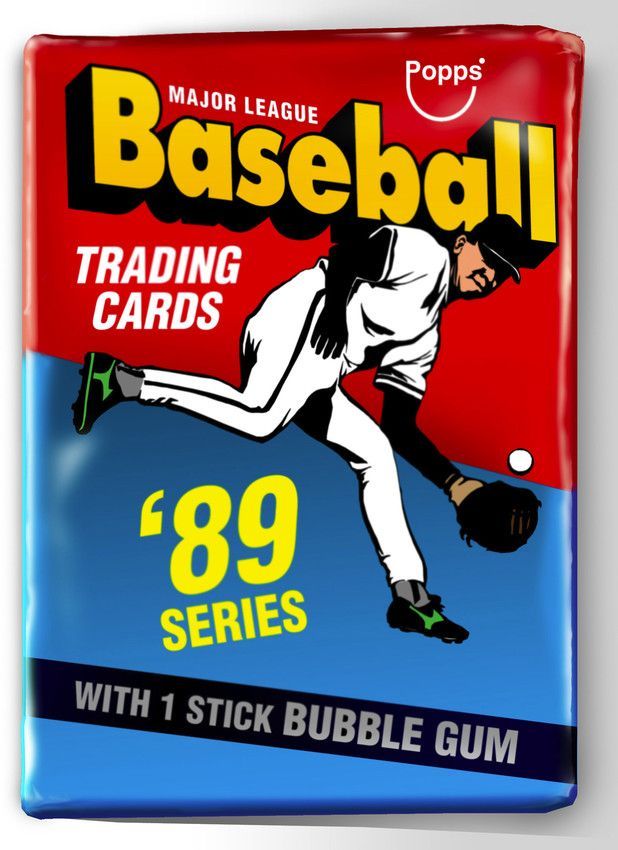
Modern baseball cards reflect this variety through products that span different eras and collecting interests. A collector interested in historical players approaches a collection differently from someone following current rookies. Others enjoy opening packs and boxes, comparing designs, or trading duplicates with fellow enthusiasts.
The hobby also includes more than individual cards. Sealed products, memorabilia, autographs, and specialty releases give collectors additional ways to explore sports history. Each category has its own characteristics, and understanding those differences helps enthusiasts identify the types of items that best fit their interests.
Recognizing the Role of Rarity and Condition
Rarity and condition are important considerations when collectors evaluate individual cards. An item's scarcity can depend on factors such as its original production, distribution, and survival over time. However, rarity alone does not establish market value. Collector demand, the athlete or subject depicted, and the condition of the item also influence how it is regarded.
Condition refers to physical characteristics such as corners, edges, surface quality, and centering. Cards that have been handled frequently can show wear, while long-term storage conditions can affect their appearance. For older items, age and historical significance can add context, but those factors do not eliminate the importance of assessing the actual condition.
Professional grading provides a structured way to evaluate a card's condition and document its assessment. Grading services examine submitted items according to their own standards, and the resulting grade becomes part of the card's documented history. Authentication is a related but distinct consideration, particularly for signed cards and memorabilia, because it addresses whether an item or signature is genuine.
Collectors who want an independent assessment can explore professional grading through established providers. A shop that coordinates submissions can explain the process and available services, helping collectors understand what to expect before submitting an item. Grading does not guarantee a particular selling price, and the market value of a graded card continues to depend on demand and other relevant factors.
Comparing Vintage Finds With Modern Releases
Vintage and modern cards offer different collecting experiences. Older cards can provide a connection to earlier periods of sports history, including past players, designs, and printing styles. Their condition and background can vary considerably, making individual examples interesting for different reasons.
Modern releases often offer broader variety in presentation, including updated photography, specialty inserts, autographs, and themed products. Collectors can follow current athletes while also seeking limited releases or particular designs. Product availability changes over time, so current inventory and release information are important when looking for a specific item.
Some enthusiasts concentrate on one period, while others combine vintage and contemporary cards. A collection does not need to follow a single formula. Personal interests, available space, budget, and the enjoyment of researching different items all shape how someone approaches the hobby.
A knowledgeable collectibles shop can help visitors explore different categories and understand what is currently available. Browsing individual cards alongside boxes and packs gives collectors options suited to different preferences. For people who enjoy the search as much as the finished collection, discovering unfamiliar releases can become part of the experience.
Connecting Collectors Through Local Card Shops
Physical card shops offer more than products. Visitors can compare items, ask questions, and connect with others who share their interests. They can also examine baseball cards and other collectibles before deciding what belongs in a collection.
For collectors in Upstate South Carolina, local shops provide access to sports cards, Pokémon products, autographed memorabilia, and other items. Shops that buy, sell, and trade collectibles also give people a place to discuss items they own or search for specific baseball cards.
Professional grading support helps collectors explore third-party evaluation. Asking about grading options, submission requirements, and authentication procedures can clarify what to expect before submitting an item.
Local shops welcome collectors at different experience levels. Beginners can explore products and learn about collecting categories, while experienced enthusiasts can compare releases, search for specific cards, or discuss grading.
Preserving the Tradition of Collecting for New Generations
The history of promotional cards demonstrates how a marketing idea can develop into a lasting hobby. Baseball cards originally distributed to encourage consumer purchases became objects people saved, organized, exchanged, and pursued. Their appeal expanded beyond advertising because they connected physical items with personal interests, sports history, and social interaction.
Today, collectors continue that tradition through vintage finds, new releases, memorabilia, and professionally graded items. Some value nostalgia, others follow current athletes, and many enjoy the challenge of finding specific pieces. The reasons for collecting differ, but curiosity and appreciation for the items remain central to the experience.
For collectors, exploring the history behind a card can add context to the images and designs they encounter. Learning about different eras, understanding condition, and comparing available products all contribute to a more informed approach. The hobby continues to connect people through shared interests while preserving tangible pieces of sports and popular culture, including baseball cards.
Whether you are beginning a collection, searching for a particular sports card, or exploring grading and authentication, visit Catch 'Em All Cards Collectibles & More LLC to browse available collectibles, discuss your interests, and connect with a team that serves collectors in Greenville and Anderson, South Carolina.