November 2, 2026
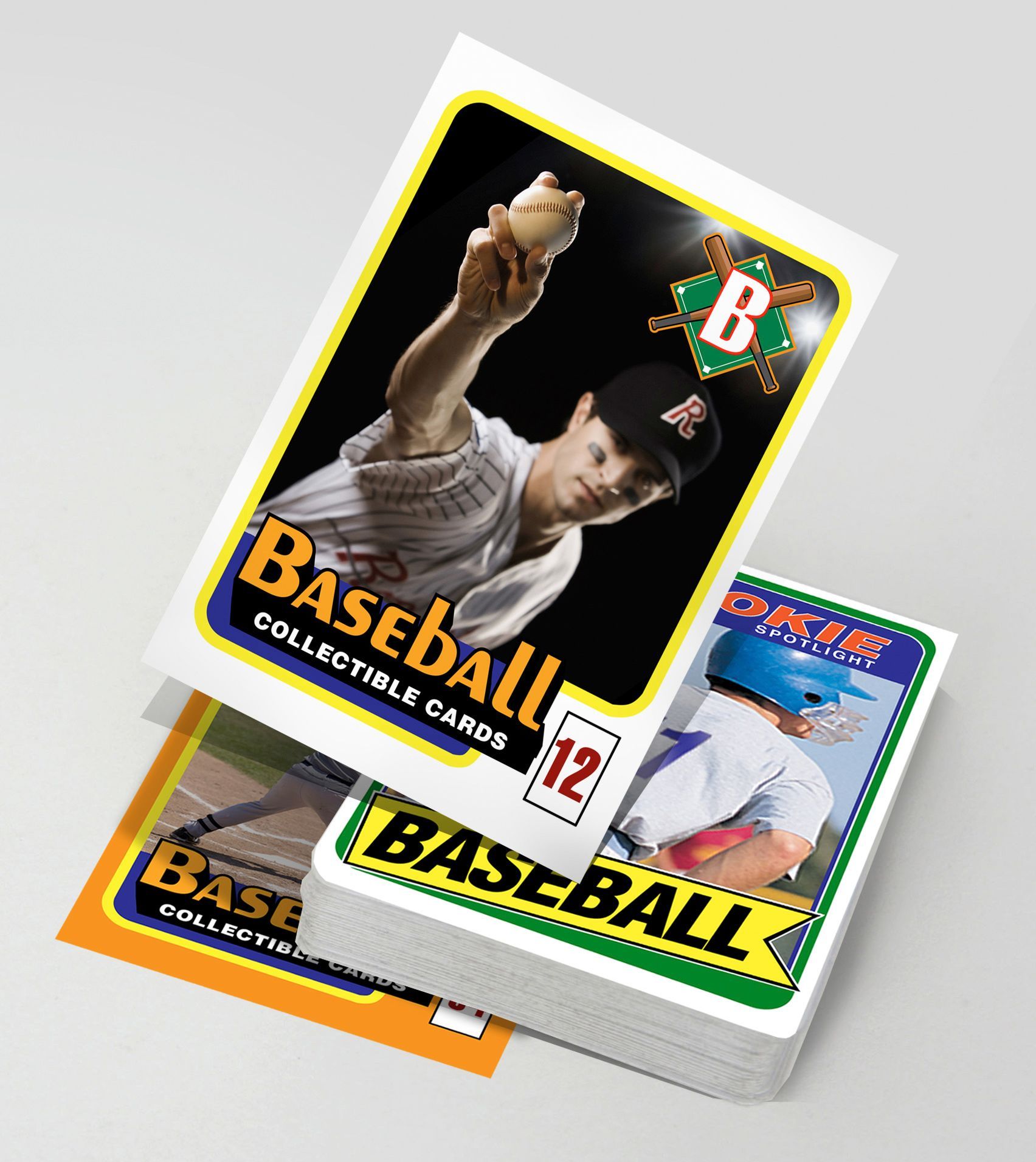
Collecting trading cards has evolved from a nineteenth-century marketing novelty into a global cultural phenomenon. What began as a humble paper premium packaged alongside retail goods has transformed into an organized pastime enjoyed by millions across generations. Long before modern grading services, dedicated display binders, and digital collecting platforms existed, early card issues served a fundamentally practical purpose. They provided manufacturers with an eye-catching way to advertise products while giving recipients a physical keepsake to admire.
The enduring appeal of card collecting lies in its unique intersection of art, fandom, and social history. Every cardboard sheet and printed border reflects the aesthetic values, printing technologies, and popular pastimes of its era. As printing methods matured through the late nineteenth and early twentieth centuries, public interest shifted toward athletic heroes and pop culture icons. Today, enthusiasts cherish these artifacts not only for their nostalgic resonance, but also for their ability to chronicle athletic excellence and entertainment history across decades of change.
Examining the Nineteenth-Century Foundations
The earliest forms of collectible paper cards emerged in the mid-1800s as trade cards. Retailers and manufacturers distributed these illustrated paper slips to promote everyday dry goods, medicines, and clothing lines. According to TCG Machines, trading cards originally appeared during the 1860s in the form of baseball cards, emerging right alongside the initial rise of baseball as a paid professional sport. These early cards served dual purposes, functioning simultaneously as portable advertisements and commemorative portraits of early athletic clubs.
As athletic rivalries began capturing public imagination across North American cities, commercial lithographers realized that athletic imagery carried far more sustained consumer interest than generic floral designs. Tobacco manufacturers quickly capitalized on this insight during the 1880s by inserting sturdy cardboard stiffeners into soft cigarette packages. Featuring team rosters, portraits of prominent sluggers, and vivid color lithography, these early cigarette inserts demonstrated that enthusiasts were eager to collect entire numbered sets rather than discard them once the primary retail purchase was consumed.
Analyzing the Mid-Century Confectionery Shift
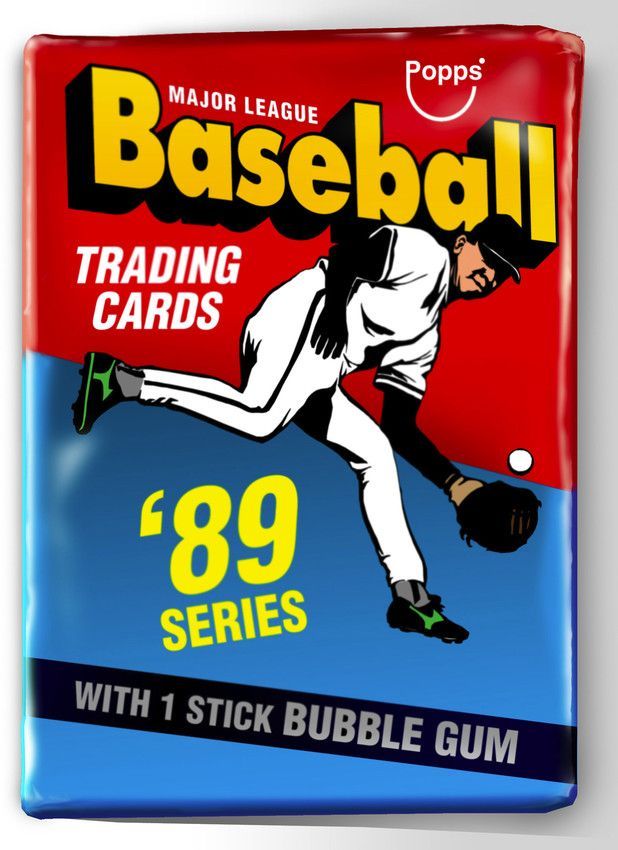
By the arrival of the 1930s, the primary distribution model for athletic cards had shifted away from adult tobacco goods toward youth-oriented confectionery products. Gum manufacturers recognized that pairing inexpensive sweet treats with collectible portraits created strong brand loyalty among neighborhood children. The introduction of standardized paper packs containing bubble gum and printed cardboard inserts reshaped the hobby into a recurring neighborhood ritual.
During the postwar era of the 1950s, companies streamlined card production into annual series that arrived alongside the spring training calendar. These postwar baseball cards captured the postwar optimism of the decade, featuring rich hand-colored photography, concise statistical records, and facsimile player autographs. For countless children growing up in that era, purchasing a fresh pack at a local counter provided an immediate, tangible connection to their athletic heroes on the diamond.
Tracing the Modern Expansion of Card Collecting
The final decades of the twentieth century witnessed a profound transition in the cultural perception of paper collectibles. What had historically been regarded as an informal playground pastime gradually gained recognition as an organized pursuit pursued by dedicated adult hobbyists. The proliferation of specialty hobby shops, regional conventions, and monthly price guides transformed sporadic collecting into a structured international market.
As mainstream interest expanded, manufacturers adapted by diversifying their product lines to satisfy both casual newcomers and seasoned purists. The standard cardboard stock of previous generations gave way to glossy photographic treatments, intricate foil stamps, and expanded checklist rosters. Collectors began paying closer attention to condition preservation, securing their items in rigid archival sleeves rather than storing them loose in shoe boxes or securing them with household rubber bands.
Understanding the Impact of Modern Enhancements
The late 1990s introduced a wave of production innovations that forever redefined modern pack assembly. Card producers began inserting authentic uniform swatches, game-used equipment pieces, and certified on-card signatures into select packs. These limited-edition features introduced genuine scarcity into retail offerings, transforming routine pack openings into thrilling treasure hunts for rare memorabilia.
Parallel to physical card innovations, sports card releases began sharing retail shelves with popular trading card games and entertainment properties. Fantasy role-playing cards and animated media franchises adopted similar rarity structures, bringing entirely new demographics into the hobby community. The definition of a collectible card expanded dramatically, creating a rich multi-genre ecosystem where sports enthusiasts and gaming competitors could explore their interests side by side.
Navigating the Era of Condition Authentication
As card collecting grew into an organized pursuit, preserving paper condition became a paramount priority for serious hobbyists. Minor manufacturing defects, off-center borders, surface scuffs, and soft paper corners began commanding careful technical inspection. Independent authentication companies emerged to inspect items systematically, sealing authenticated specimens inside sonically welded plastic holders with certified numerical condition grades.
This emphasis on preservation also elevated the cultural status of vintage baseball cards, helping older issues retain their artistic integrity against the natural degradation of aging paper stock. Modern hobbyists now approach their collections with an archivist's mindset, utilizing specialized storage cases, temperature-controlled environments, and protective sleeves designed to prevent ultraviolet light damage. The hobby has steadily developed standard protocols that ensure historical artifacts remain intact for future generations of enthusiasts to study and appreciate.
Cultivating the Enduring Community of Card Enthusiasts
Beyond the material attributes of ink, cardboard, and protective acrylic cases, the core vitality of card collecting resides in its social fabric. Collecting is rarely an isolated activity; it thrives upon shared discoveries, competitive trades, and camaraderie built over shared interests. Long before digital message boards existed, enthusiasts congregated at local hobby counters, community recreation halls, and schoolyards to trade duplicate cards and finish elusive checklist runs.
The sense of discovery remains remarkably consistent whether an individual is opening a vintage wax pack from several decades ago or exploring the newest factory-sealed hobby box. The tactile process of handling a newly revealed card, reading through career accomplishments, and filing the piece into a personal binder provides a hands-on satisfaction that purely digital media struggles to replicate.
Appreciating the Value of Curated Collections
Every individual collection serves as a personalized visual autobiography of the collector who assembled it. Some hobbyists dedicate their energy toward assembling every seasonal issue associated with a hometown club, while others narrow their focus toward specific individual athletes or thematic art designs. This flexibility allows collectors of all backgrounds to define success on their own terms without adhering to rigid formulas.
Specialized focus areas often highlight overlooked chapters of athletic history. Collectors who pursue regional minor-league issues, short-printed parallel sets, or vintage baseball cards frequently uncover forgotten player narratives and unique artistic variations that standard history books omit. The hobby encourages persistent research, teaching collectors to evaluate historical print runs, examine printing variations, and appreciate the creative labor invested in each production run.
Fostering Connections Across Diverse Generations
Card collecting possesses a rare ability to bridge generational divides within families and neighborhood circles. Grandparents who collected mid-century baseball cards frequently share their preserved scrapbooks with grandchildren who collect contemporary athletic stars or character gaming cards. While the featured personalities and design aesthetics differ across eras, the foundational thrill of the chase remains identical.
Local hobby gatherings and specialty shops continue to provide welcoming physical environments where collectors of varying experience levels exchange knowledge. Seasoned collectors offer guidance on proper storage, handling, and checklist tracking, while younger collectors introduce fresh enthusiasm for new card designs and emerging athletic prospects. This continuous dialogue preserves the culture of the pastime, ensuring that the history of paper collectibles remains lively, inclusive, and enduringly relevant.
The journey of trading cards from simple nineteenth-century advertising inserts to celebrated cultural artifacts reflects an enduring human desire to preserve tangible moments of athletic and popular achievement. Through shifting printing technologies, changing distribution styles, and the introduction of advanced collectible enhancements, the hobby has maintained an unbroken link with its historic roots. The foundational tradition established by historic
baseball cards continues to shape how modern enthusiasts celebrate their favorite sports, players, and creative franchises. As new sets and innovative card formats continue to enter production each year, the underlying excitement of acquiring, cataloging, and safeguarding a miniature work of paper art shows no signs of diminishing. To discover a wide selection of vintage issues, modern packs, and protective supplies for your own collection, visit Catch 'Em All Cards Collectibles & More LLC today.